5 Forex Trading Mistakes Beginners Make (And How to Avoid Them)
Forex trading looks exciting from the outside. Fast-moving charts, market opportunities, and stories of successful traders attract thousands of beginners every day. But the reality is different. Most beginner traders lose money not because forex trading is impossible, but because they repeat the same avoidable mistakes. The good news? Once you understand these mistakes early, you can improve your trading discipline, reduce emotional decisions, and build a smarter trading approach. In this guide, we’ll break down the most common forex trading mistakes beginners make and how you can avoid them.
1. Trading Without a Strategy
One of the biggest mistakes beginners make is entering trades randomly. Many new traders buy or sell based on emotions, social media signals, or guesswork without understanding why the market is moving. Professional traders always follow a structured trading plan. A solid forex strategy usually includes: Entry rules Exit rules Risk management Market conditions Trade confirmation signals Without a strategy, trading becomes gambling. How to Avoid It Before placing any trade: Test a trading strategy on demo accounts Learn technical analysis basics Create clear entry and exit rules Keep your strategy simple and repeatable Consistency matters more than complexity.
2. Ignoring Risk Management
Many beginners focus only on profits and completely ignore risk. This usually leads to oversized positions and large account losses. Even professional traders lose trades regularly. The difference is that they manage losses properly. Risk management is what keeps traders alive in the market. Common Risk Management Mistakes Trading with high leverage Not using stop losses Risking too much on one trade Revenge trading after losses How to Avoid It Smart traders typically: Risk only 1–2% per trade Always use stop losses Focus on long-term consistency Avoid emotional overtrading Protecting your capital is more important than chasing quick profits.
3. Letting Emotions Control Trades
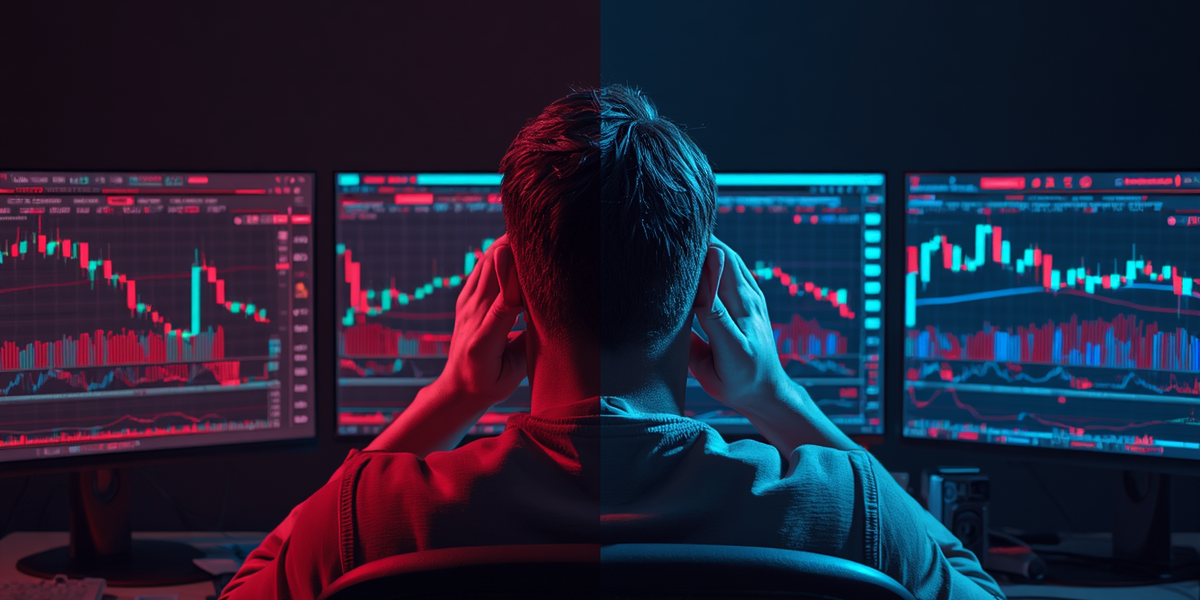
Fear and greed destroy more trading accounts than bad strategies. Many beginners: Close winning trades too early Hold losing trades too long Panic during market volatility Enter trades impulsively Emotional trading usually happens when traders lack discipline or trade with money they cannot afford to lose. How to Avoid It To improve emotional control: Follow a written trading plan Avoid staring at charts all day Accept that losses are part of trading Focus on process instead of short-term results Trading psychology is just as important as technical analysis.
4. Overtrading the Market
Many beginners believe more trades mean more profits. In reality, overtrading often leads to: Poor trade quality Emotional decisions Increased losses Mental exhaustion Professional traders wait patiently for high-quality setups. They understand that not trading is sometimes the best decision. How to Avoid It Trade only when your setup appears Avoid trading during emotional moments Limit daily trades Focus on quality over quantity Patience is a major advantage in forex trading.
5. Depending Only on Signals or Influencers
Social media has made forex signals extremely popular. While some educational content can be helpful, blindly copying trades from influencers is dangerous. Many beginners never learn actual trading skills because they rely entirely on others. Successful traders eventually learn how markets work themselves. How to Avoid It Instead of blindly following signals: Learn chart reading Study market structure Understand risk management Practice independent analysis Education creates long-term confidence.
Final Thoughts
Forex trading is a skill that takes time, discipline, and continuous learning. Most beginner mistakes are preventable when traders focus on education, patience, and proper risk management. Instead of chasing fast profits, focus on becoming a smarter and more consistent trader. The traders who survive long-term are usually the ones who master discipline first. If you’re serious about improving your trading knowledge, explore more trading resources, educational platforms, and market analysis tools on TradingMonday.